The technology world witnessed an unprecedented moment this Wednesday when Apple, renowned for maintaining strict confidentiality around its product development, inadvertently exposed details about numerous upcoming devices through software code disclosures.
Apple Product Leak – Upcoming Devices and Upgrades
Here’s what’s rumored to be in Apple’s pipeline over the next couple of years.
| Product | Key Upgrade Highlights | Expected Launch |
|---|---|---|
| HomePod mini (2nd gen) | New S-series chip (T8310 architecture), Wi-Fi 6E, possible new colors | Late 2025 |
| Apple TV | A17 Pro chip for faster performance, AI/gaming potential | Late 2025 |
| Apple Studio Display 2 | Possible mini-LED backlight, codename J427 | Early 2026 |
| iPad mini (7th gen) | A19 Pro chip (same as iPhone 17 Pro) | 2025/26 |
| Low-cost iPad (12th gen) | A18 chip, AI-ready Neural Engine | Spring 2026 |
| Apple Vision Pro (2nd gen) | M5 chip, improved performance | 2025 |
| Apple Watch Series 11 | Faster S-series chip, 5G support | Sept 2025 |
| Apple Watch Ultra 3 | Larger display, satellite connectivity | Sept 2025 |
| Apple Watch SE 3 | New chip, bigger display | Sept 2025 |
The Discovery
Industry analysts and technology reporters identified hardware identifiers embedded within Apple’s recent software releases that directly reference unannounced products across multiple device categories. These identifiers, typically used internally during development phases, provided concrete evidence of Apple’s current hardware pipeline.
The discovery represents one of the most comprehensive unintentional product reveals in Apple’s recent history. MacRumors, a leading Apple news publication, first documented these findings and verified the authenticity of the disclosed information through multiple sources within the development community.
also read: iOS 26: The Update That Finally Declares War on Spam Calls and Missed Opportunities
Product Portfolio Updates
The leaked information confirms several significant hardware updates across Apple’s ecosystem. The HomePod mini will receive an enhanced S-series processor, marking the first major internal upgrade since its initial release. This improvement suggests Apple’s commitment to maintaining competitive performance standards within the smart speaker market.
Apple TV hardware will incorporate the A17 Pro chip, representing a substantial performance enhancement over the current A15 Bionic processor. This upgrade positions the streaming device with processing capabilities comparable to Apple’s flagship mobile devices, potentially enabling more sophisticated applications and improved user experiences.
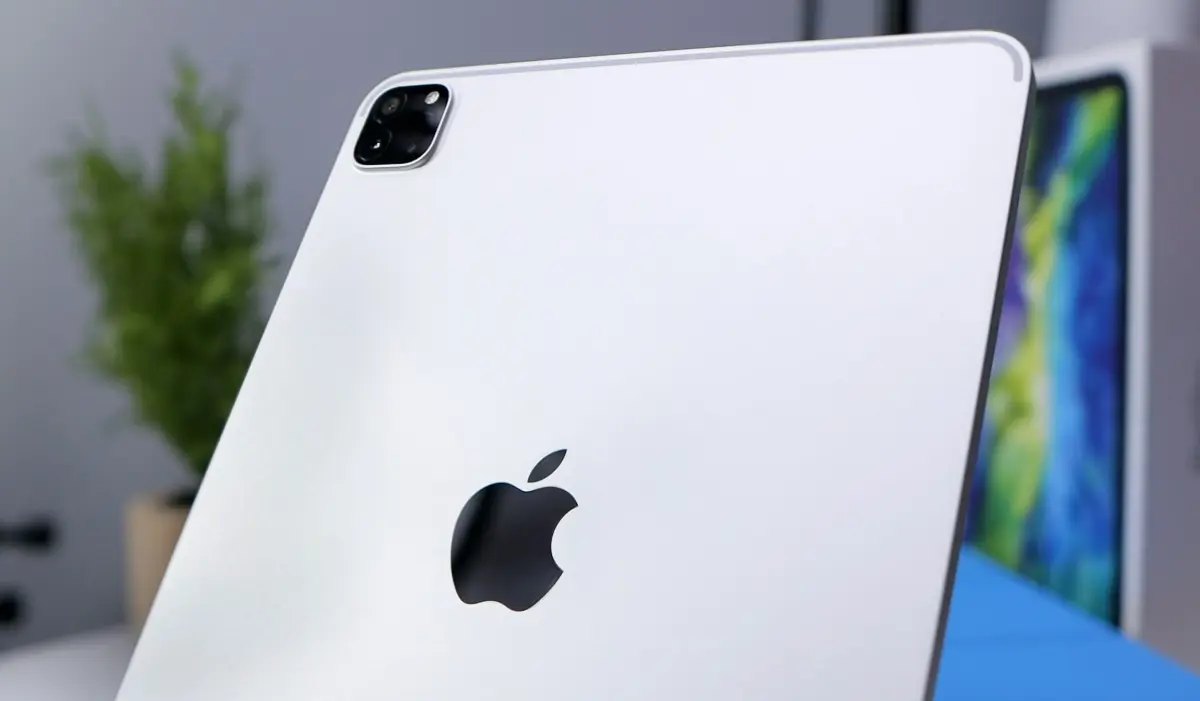
The iPad mini product line will feature the next-generation A19 Pro chip, indicating Apple’s strategy to maintain performance parity across its tablet offerings. This processor upgrade ensures the compact tablet remains competitive within professional and creative workflows.
Development of a second-generation Studio Display has been confirmed through internal project identifiers. While specific enhancements remain undisclosed, the project suggests Apple’s ongoing investment in professional display technology following the original model’s market reception.
Industry Context
These revelations occur against the backdrop of Apple’s traditional product announcement schedule, which typically features carefully orchestrated presentations designed to maximize market impact. The unintentional disclosure disrupts this established pattern and provides unprecedented insight into the company’s development priorities.
Bloomberg’s concurrent reporting on Apple’s smart home initiatives adds additional context to the company’s broader strategic direction. The development of security camera technology and home automation products demonstrates Apple’s expansion beyond traditional computing devices into comprehensive ecosystem solutions.
Market Implications
The early disclosure of these products may influence competitor strategies and consumer purchasing decisions. Technology manufacturers often adjust their development timelines and feature sets based on anticipated Apple releases, making this information particularly valuable for industry planning purposes.
Consumer expectations may also shift based on these revelations. Potential buyers of current Apple products now possess knowledge of upcoming alternatives, potentially affecting immediate sales while building anticipation for future releases.
Looking Forward
Apple’s response to these disclosures will likely involve enhanced security protocols for future software releases. The company’s legendary secrecy culture faces new challenges as software development processes become increasingly complex and distributed across multiple teams and platforms.
The autumn product announcement season will demonstrate how Apple addresses these early revelations. The company’s presentation strategy may require adjustment to maintain audience engagement despite the reduced element of surprise for several product categories.
These developments underscore the evolving challenges technology companies face in maintaining product confidentiality within modern development environments. As software systems become more interconnected and transparent, traditional approaches to information security require continuous adaptation and refinement.
The technology community will closely monitor Apple’s upcoming announcements to understand how these leaked products translate into market-ready devices and whether additional unrevealed innovations accompany the confirmed hardware updates.