Introduction
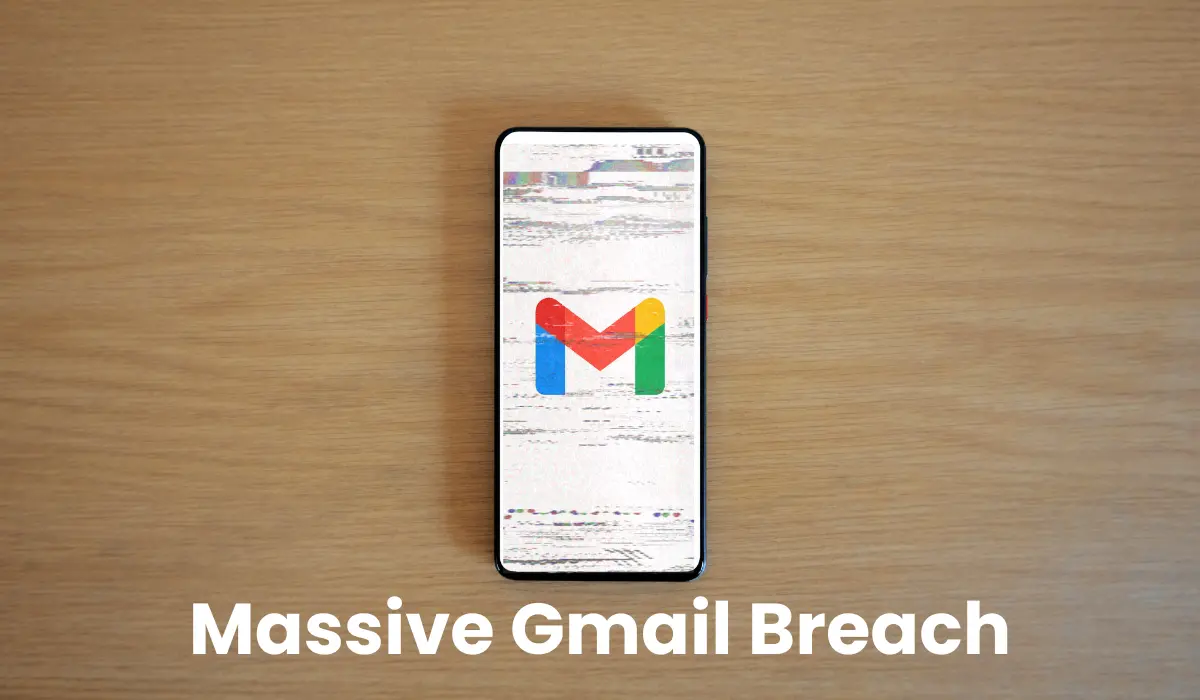
Google has issued an urgent warning after a major data breach left over 2.5 billion Gmail accounts vulnerable. Hackers from the group ShinyHunters exploited a security loophole linked to Salesforce, exposing names, email addresses, and contact details. While passwords were not directly leaked, experts warn this information could fuel large-scale scams, phishing attacks, and identity theft. If you’re a Gmail user, here’s everything you need to know and what steps you should take immediately.
What Happened in the Gmail Data Breach?
In June 2025, hackers tricked a Google employee into authorizing a malicious Salesforce app. This gave them access to massive amounts of business contact data, which has since spread across hacking forums. Reports confirm that the breach potentially exposed details tied to 2.5 billion Gmail users worldwide.
Although login credentials were not directly stolen, cybercriminals can still use the leaked data to craft convincing scam messages. This makes the breach highly dangerous despite passwords being safe—for now.
How Scammers Are Exploiting the Breach
Security researchers warn that scammers have wasted no time. Here are the most common threats emerging from this incident:
- Phishing Emails: Fake Google security alerts asking you to reset your password.
- Phone Scams (Vishing): Calls from spoofed numbers, especially using the 650 Silicon Valley area code, pretending to be Google support.
- Fake Security Notifications: Pop-ups and fraudulent emails urging you to click links and share login details.
These tactics rely on urgency and fear, tricking users into giving away sensitive data.
Google’s Official Response
Google began notifying affected users in early August and has since issued a global security advisory. The company has urged all Gmail users to:
- Change their account passwords.
- Enable two-factor authentication (2FA).
- Run a Google Security Checkup to detect suspicious activity.
Google also recommends using passkeys—a new, more secure login method that relies on biometrics instead of passwords.
What Gmail Users Should Do Now
If you use Gmail, here are the steps you need to take to protect yourself:
- Change Your Password – Create a strong, unique password that you don’t use anywhere else.
- Enable 2FA – Add a second layer of security to prevent unauthorized access.
- Run Security Checkup – Review which devices and apps have access to your account.
- Ignore Fake Alerts – Google will never call or email asking for your login details.
- Update Software – Install the latest updates for Gmail, Chrome, and Android to patch vulnerabilities.
- Consider Advanced Protection – Especially if you handle sensitive information.
Conclusion
This Gmail breach highlights how even the biggest tech companies remain vulnerable to social engineering attacks. While no passwords were directly leaked, the scale of the exposed data makes this one of the largest breaches in history. Staying cautious, updating your security settings, and ignoring suspicious alerts are the best defenses right now.
If you’re one of the 2.5 billion Gmail users, act today—don’t wait for hackers to make the first move.