Introduction: Two of the World’s Biggest Platforms Go Dark
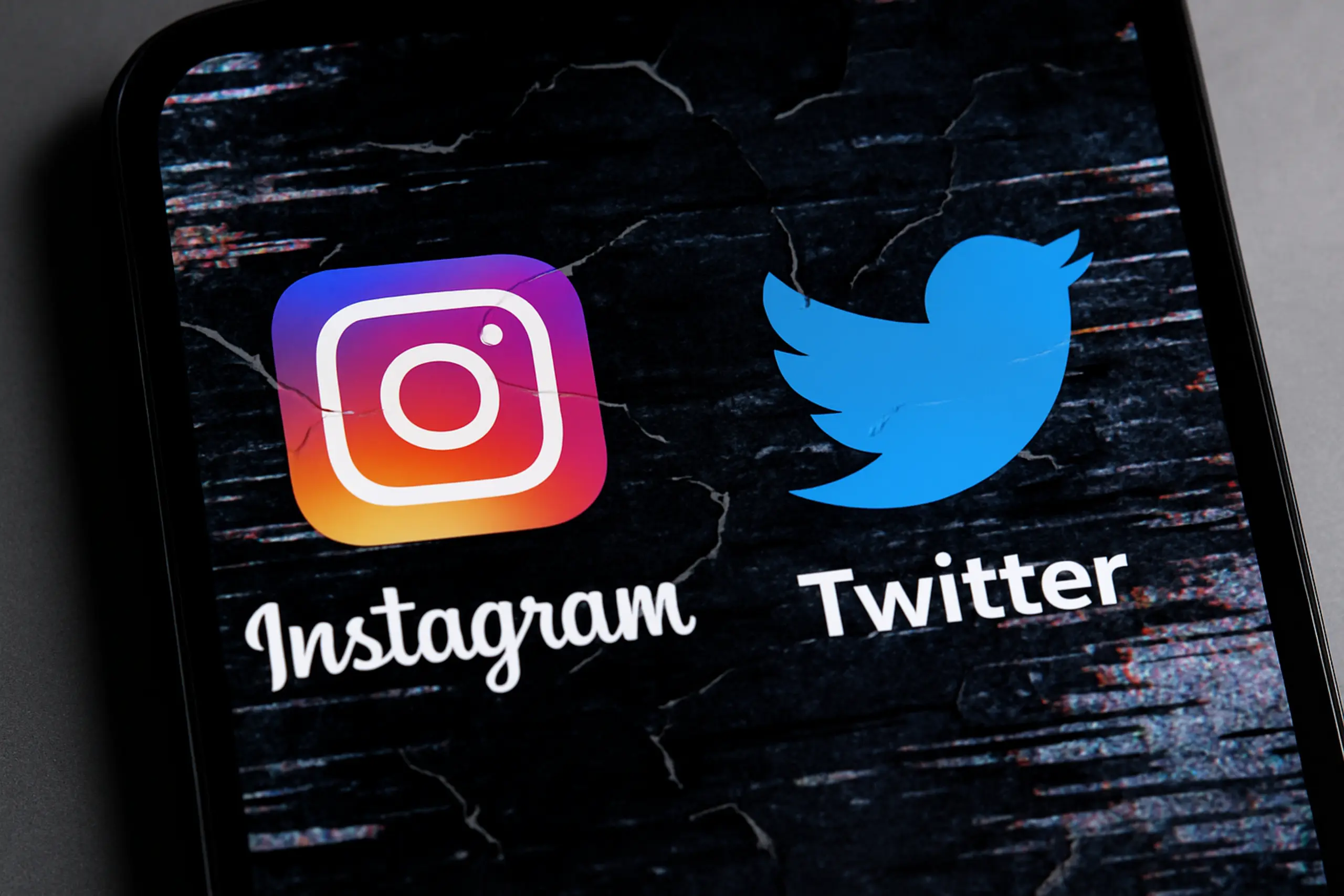
On the morning of July 2, 2025, users across the globe were hit with a frustrating reality — both Instagram and Twitter (now rebranded as X in some regions) were down simultaneously. The outage began around 7:30 AM EST and quickly snowballed, leaving users in the United States, United Kingdom, Canada, and Australia unable to load feeds, post content, or even log in.
According to data from DownDetector, reports of service disruptions spiked into the tens of thousands within 30 minutes, with many users seeing error messages like “Something went wrong” or “Rate limit exceeded.” The sudden crash of two major platforms at once raised alarms — was this a coordinated cyberattack, a server-side failure, or simply a technical misfire?
Scope of the Outage: Widespread and Cross-Platform
The outage hit Instagram and Twitter with full force across mobile apps, web browsers, and third-party tools. For influencers, media outlets, and businesses relying on real-time content, the downtime was more than an inconvenience — it was a disruption of operations.
Regions Most Affected:
- 🇺🇸 United States – Major cities like New York, Los Angeles, Chicago
- 🇬🇧 United Kingdom – London, Manchester, Birmingham
- 🇨🇦 Canada – Toronto, Vancouver, Montreal
- 🇦🇺 Australia – Sydney, Melbourne
- 🇩🇪 Germany and parts of Europe also reported heavy disruptions
Users across Asia and South America experienced intermittent performance issues, though some regions like Japan and Brazil remained mostly unaffected.
What Users Experienced
The primary symptoms varied slightly across platforms but shared the same root issue: communication failure between clients and server endpoints.
Instagram:
- Home feed wouldn’t refresh
- Stories and Reels failed to load
- DMs showing “Couldn’t connect to server”
- Unable to post photos or videos
Twitter/X:
- Main feed stuck in infinite loading loop
- Rate limit messages and API failure codes
- Login timeouts and two-factor authentication delays
- Third-party Twitter clients completely non-functional
Reactions from Users, Brands, and Media
As expected, the internet exploded — ironically turning to other platforms like Facebook, TikTok, Threads, Reddit, and even LinkedIn for information and memes.
Hashtags like #InstagramDown and #TwitterDown trended within 15 minutes on Reddit and Google Search. Meanwhile, meme culture quickly took over, with users comparing their “digital silence” to an apocalypse.
Notable Reactions:
- Netflix UK: “We’re here for you while Instagram figures itself out. Grab a show.”
- Elon Musk (on Threads): “Rate limits are fun, aren’t they?”
- BBC Tech: “Global social outage prompts security audits across tech companies.”
Ironically, the platform most benefited by the blackout was Meta’s Threads, which saw a 120% surge in activity during the Instagram and Twitter downtime.
Was It a Cyberattack?
Given the simultaneous collapse of two globally critical platforms, many immediately feared a DDoS (Distributed Denial-of-Service) attack or other form of coordinated cyber strike. However, early technical analysis ruled out any breach or malicious activity.
Spokespersons from Meta and X both confirmed that the issue was internal:
Meta PR Statement: “A routine configuration update to our backend services led to unexpected load spikes across our North American servers. We are actively restoring access as quickly and safely as possible.”
X Corp (Twitter): “Our system encountered cascading failures in API response layers due to unexpected user activity. No data was compromised.”
While vague, these statements suggest the problem came from internal server or API mismanagement — possibly linked to rate-limiting systems and caching protocols failing under traffic overload.
Behind the Scenes: Technical Root Cause (Preliminary)
Here’s what’s known so far based on developer insights and network forensics:
Instagram:
- A caching system update on the CDN (Content Delivery Network) layer failed to propagate properly
- Session cookies were invalidated, causing authentication loops
- Story and Reel assets couldn’t be retrieved from media clusters
Twitter/X:
- API rate-limit enforcement modules flagged normal user traffic as suspicious
- Backend microservices failed to respond within timeout windows
- Bot mitigation systems accidentally throttled legitimate users
This isn’t the first time both platforms have experienced technical hiccups — but the concurrent timing is rare. Some engineers have speculated a common dependency (such as an AWS or Akamai node) might have triggered a cascading impact, though this remains unconfirmed.
How Long Did It Last?
The worst of the outage lasted approximately 3 hours for most users in the US and UK. By 11:00 AM EST, Instagram was slowly restoring feeds, and Twitter/X allowed some users to log back in, though full restoration took until the afternoon in Europe and Canada.
Timeline Summary:
- 7:30 AM EST: Outages begin
- 8:00 AM: Outage goes global; Downdetector spikes
- 10:30 AM: Meta begins rolling back config
- 11:45 AM: X platform APIs begin to recover
- 2:00 PM: Full access restored across major regions
Should Users Be Concerned About Data?
While the outages were disruptive, both companies emphasized that no user data was compromised. This aligns with technical reports showing no unauthorized access or data leakage — only service interruption caused by internal errors.
Still, users are advised to:
- Clear cache and app data if issues persist
- Reset two-factor authentication if login fails
- Enable email alerts for future platform-wide notices
Impact on Businesses and Influencers
The financial impact of the downtime is hard to measure but significant. Marketing campaigns were delayed, influencer posts lost optimal time windows, and real-time customer support via social DMs was disrupted.
Some estimates suggest Instagram may have lost over $12M in ad revenue during the blackout period. For influencers who rely on peak hour engagement, the loss of even 2–3 hours can mean thousands in missed partnership bonuses.
Conclusion: A Reminder of Platform Fragility
The July 2025 outage is a stark reminder that even tech titans like Meta and X are vulnerable to internal failures. For users, it’s a small taste of what a “social media blackout” really feels like — silent feeds, frozen timelines, and a desperate scramble for alternatives.
As platforms continue to evolve with AI-powered feeds, real-time algorithms, and complex APIs, stability will become just as important as innovation. And when they go down, the ripple effect across news, business, and personal lives is massive.
For now, the feeds are back. But the questions about reliability and centralized communication remain more relevant than ever.