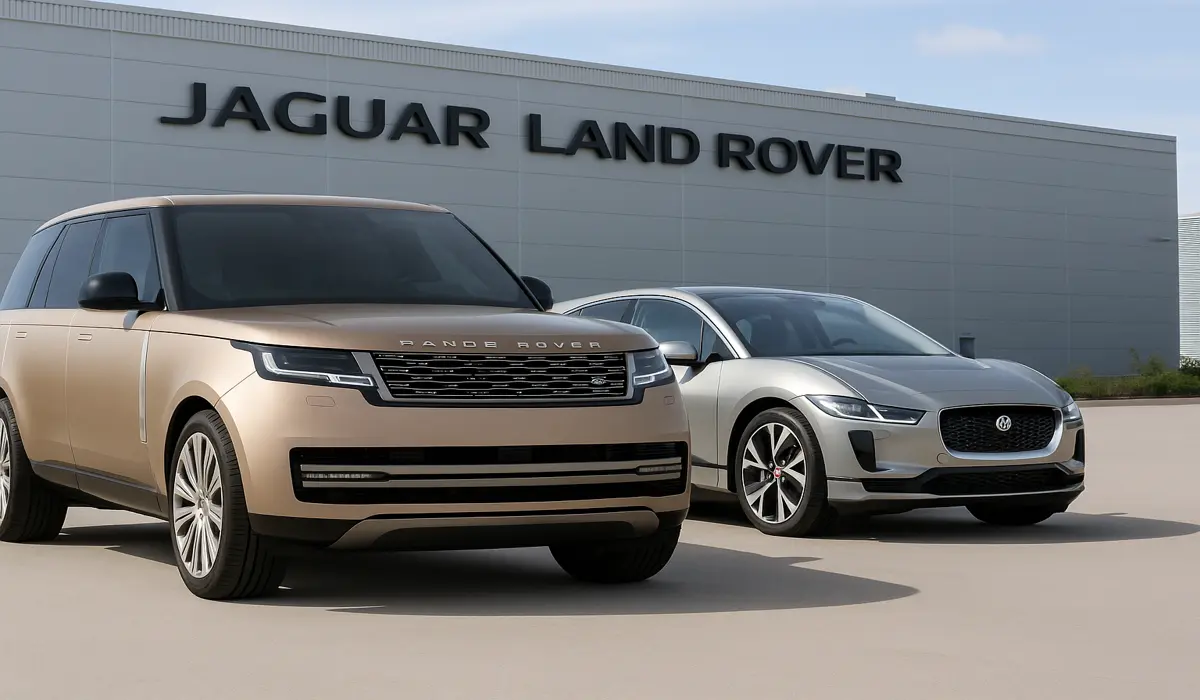
Jaguar Land Rover job cuts have shaken the UK auto industry as the manufacturer announced plans to eliminate 500 UK management jobs. The decision marks a strategic shift in response to global economic pressures, rising EV investments, and fallout from US trade tariffs.
Why Jaguar Land Rover Is Cutting Jobs in the UK
The Jaguar Land Rover job cuts are focused on non-manufacturing, management, and office-based positions. The company is undergoing a significant operational restructuring to better align with its long-term strategy — the “Reimagine” transformation plan.
Key reasons behind the decision include:
- Electric Vehicle Transition: Jaguar Land Rover is investing over £15 billion to shift to an all-electric lineup by 2030. This massive change is placing a financial strain on operations.
- US Tariff Fallout: Export hurdles due to US tariffs, introduced under Donald Trump’s policies, have raised costs for JLR vehicles heading to the American market.
- Cost-Cutting Measures: The company is optimizing its workforce to stay lean while investing in digital and EV technologies.
Political Blow to Labour Government
The timing of the Jaguar Land Rover job cuts is politically sensitive. Prime Minister Keir Starmer had recently praised JLR during his campaign. Now, critics are calling this move a “personal embarrassment” for Labour, especially as the party pushes for green industry growth and employment revival.
JLR’s Reimagine Strategy: A Future-Focused Shift
Jaguar Land Rover remains firm in its commitment to becoming a luxury electric brand by 2030. As part of this vision:
- The Halewood plant in Merseyside is being converted into an EV-focused production site.
- The first all-electric Range Rover is expected soon.
- The Jaguar brand will be relaunched with exclusive electric-only models.
Despite the cuts, JLR’s long-term outlook includes job creation in new EV manufacturing roles — a silver lining for affected employees.
Industry Reactions
Union leaders have urged Jaguar Land Rover to ensure fair treatment and support packages for impacted workers. Analysts say this is part of a global trend as traditional automakers reduce legacy operations to fund electric transformation.
The Jaguar Land Rover job cuts highlight the delicate balance companies must maintain between innovation, profitability, and workforce stability.
Final Thoughts
These cuts may sting in the short term, but JLR’s bold shift toward an electric future is aligned with global trends. The company’s success now depends on how smoothly it can manage this transition — while minimizing the human cost involved.