Tea App Is Going Viral: Anonymous Women-Only Gossip Platform Is Stirring Up the Dating Scene
Imagine Yelp—but for your ex. That’s the basic idea behind Tea, a new, invite-only app where women can post anonymous reviews or “tea” about men they’ve dated. Launched quietly but now exploding on social media, Tea is being hailed as a tool for safety—and also criticized as a digital gossip minefield.
What Is the Tea App?
Tea is a women-only, anonymous social platform designed to allow users to share stories about men in their dating lives. Posts often include first names, cities, dating app profiles, or job descriptions, along with short accounts of what happened—good or bad.
It’s built around the idea of the “whisper network”—informal channels women use to warn each other about abusive or toxic behavior. Tea brings that concept into the app space, offering a centralized, private place to exchange experiences.
How It Works
- Invite-only: Users must be invited by existing members to join.
- Women-only access: The app verifies gender and keeps male users out.
- Anonymous posting: Stories are submitted without linking to real identities.
- Geo-tagged: Posts are sorted by city, helping women learn about local dating scenes.
According to screenshots circulating online, posts range from calling out red flags to sharing funny or tragic dating moments. It’s a mix of catharsis, warning, and community feedback.
Why It’s Going Viral
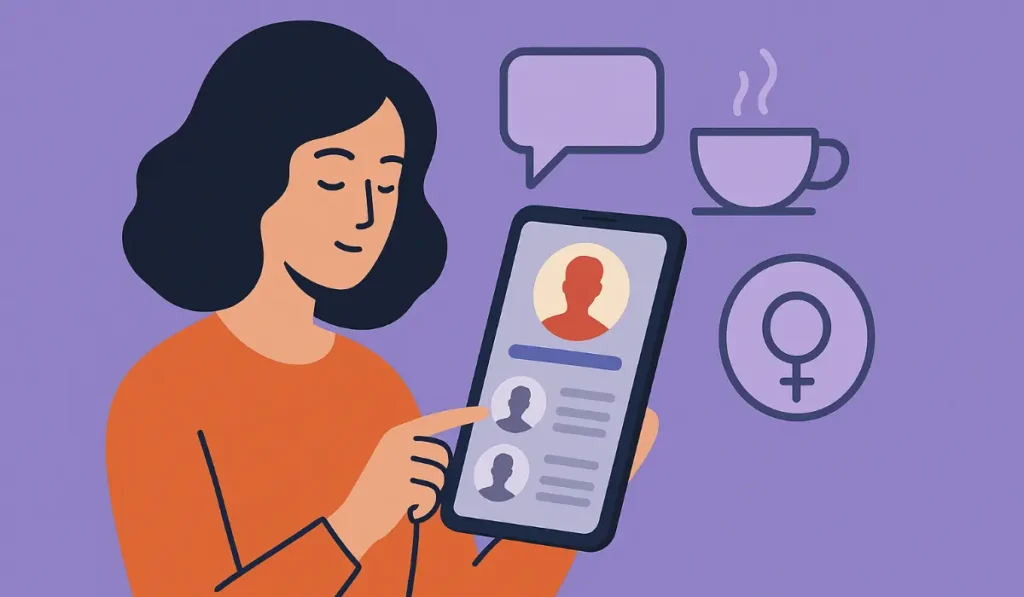
The app hit a nerve in a time when dating feels like a battlefield. Ghosting, manipulation, and casual cruelty have made many women wary. Tea offers an outlet—an alternative to quietly suffering or endlessly warning friends in group chats.
But its virality isn’t just because of what it does—it’s also because of what it represents: a digital shift in how trust, safety, and reputation are handled online.
The Backlash: Privacy, Ethics, and Accuracy
Despite its good intentions, Tea is raising major red flags in the world of relationships and digital ethics:
- No fact-checking: Anyone can say anything. There’s no way to verify a post.
- One-sided storytelling: The man mentioned doesn’t get to respond or explain.
- Reputation damage: A name or job title could go viral unfairly, even if the story is exaggerated or false.
Relationship experts warn that this may do more harm than good. While empowering for some, it could increase paranoia and mistrust—especially in an already fragile dating ecosystem.
“We’re replacing communication with surveillance,” said one therapist. “That’s not intimacy—that’s fear.”
The Bigger Picture: A Trend of Anonymous Social Apps
Tea is part of a growing trend. Apps like Gas, Yik Yak, and NGL gained popularity by letting users post anonymously—especially among Gen Z. The appeal? No filters, no pressure, no consequences. But with that freedom comes the risk of abuse.
As platforms like X (formerly Twitter) become more hostile and algorithm-heavy, smaller apps that offer controlled communities are gaining traction. Tea may be the latest, but it won’t be the last.
Learn more: Starlink Outage: Global Disruption Hits Satellite Internet Users
Is This the Future of Dating Safety?
The creators of Tea say they’re trying to make dating safer for women, not ruin lives. But whether it ends up being empowering or damaging will depend on how it evolves:
- Will it introduce verification features?
- Can it strike a balance between anonymity and accountability?
- Will it expand or stay niche?
For now, Tea is both a tool and a mirror—reflecting the realities of modern dating and how tech tries to help us navigate it.
Bottom Line
Tea is the app everyone’s whispering about—and that’s the point. Whether it becomes a useful safety tool or a cautionary tale remains to be seen, but one thing’s clear: dating apps just met their anonymous match.
Update – July 26, 2025: Tea App Hacked, 72,000 Images Leaked
Just days after going viral, the Tea app has confirmed a serious data breach that exposed more than 72,000 images—including thousands of user verification selfies and ID photos.
According to reports from AP News and The Washington Post, the breach affected users who signed up before February 2024, when the app was still using a legacy storage system. Among the leaked files:
- 🔹 13,000+ government-issued ID photos and signup selfies
- 🔹 59,000+ public images shared in posts, messages, or profiles
The leaked data first surfaced on forums like 4chan, where users reportedly accessed and circulated the files. Fortunately, no phone numbers or email addresses were compromised in the incident.
The company responded by hiring third-party cybersecurity experts and issuing a statement promising improved security and transparency. But the damage is done—especially for a platform that built its brand on anonymity and safety.
“It’s ironic and alarming,” one tech analyst told Barron’s. “An app built to protect women may have just exposed them the most.”
This breach raises major questions about how anonymous apps handle user data, especially when verification documents are involved. If Tea wants to survive this backlash, its next moves need to be about accountability and rebuilding trust.
We’ll keep updating this post as more details come out.