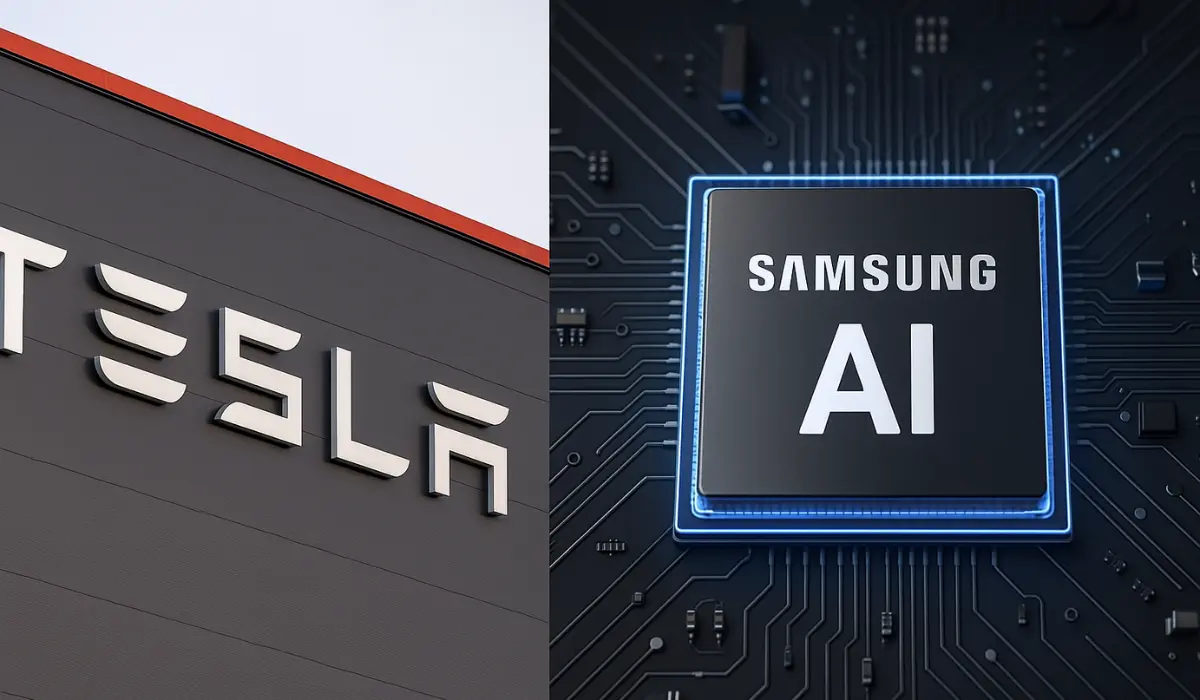
Hey tech enthusiasts! If you’re following the whirlwind world of electric vehicles and artificial intelligence, buckle up. Tesla, the EV giant led by the ever-vocal Elon Musk, has just sealed a blockbuster deal with Samsung Electronics. We’re talking a whopping $16.5 billion contract for advanced AI chips that could supercharge Tesla’s ambitions in self-driving cars and beyond. Announced on July 28, 2025, this partnership isn’t just big—it’s a strategic powerhouse move in the global chip race. Let’s dive into what this means, why it matters, and how it shakes up the industry.
The Deal Breakdown: What’s on the Table?
At its core, this agreement positions Samsung as a key supplier for Tesla’s cutting-edge AI hardware. Elon Musk himself took to X (you know, the platform formerly called Twitter) to confirm the details, emphasizing that Samsung’s new fabrication plant in Taylor, Texas, will crank out Tesla’s AI6 chips. That’s right—these aren’t your run-of-the-mill semiconductors; they’re designed for the heavy lifting in AI applications like autonomous driving and robotics.
Here’s a quick snapshot of the key elements:
- Value and Scale: Pegged at $16.5 billion (or about 22.8 trillion won in Samsung’s books), Musk hinted this is just the “bare minimum.” Real production could scale up dramatically, potentially multiplying the output several times over.
- Timeline: The contract kicks off in July 2025 and runs through December 31, 2033. That’s a solid eight-year commitment, giving both companies plenty of runway to innovate.
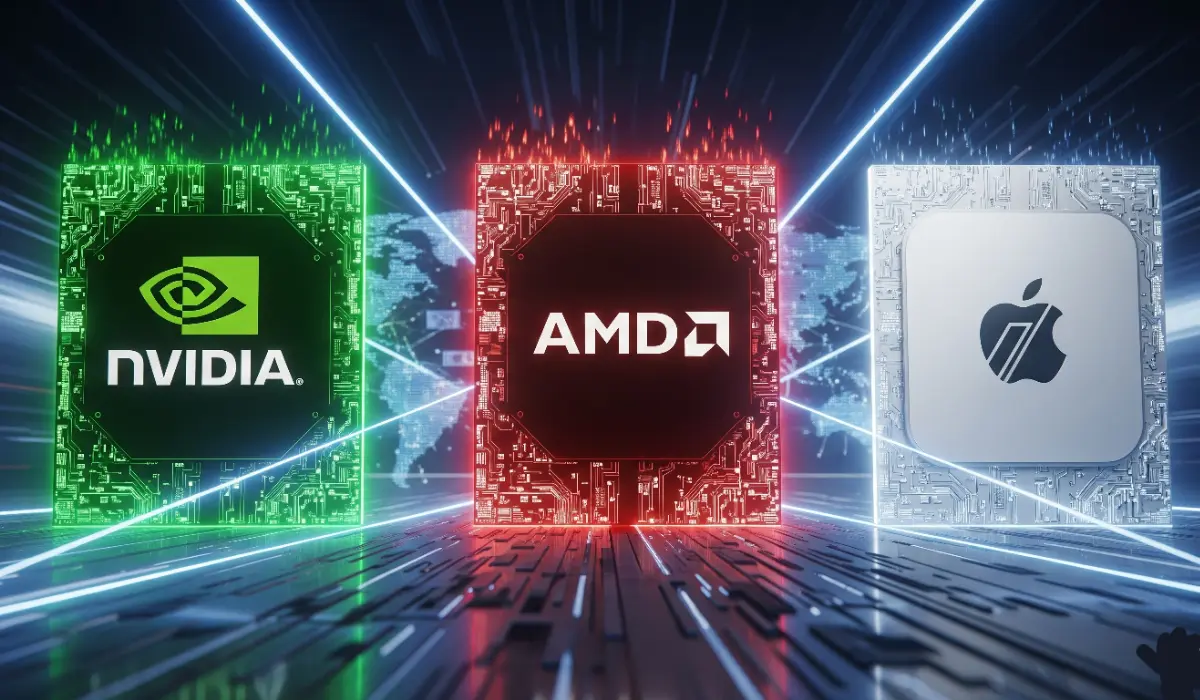
- Tech Specs: Samsung will handle manufacturing of custom logic chips, likely leveraging their advanced processes (think 2-nanometer tech, though details are under wraps for now). Tesla’s already using Samsung for AI4 chips, with TSMC stepping in for AI5, but this deal locks in AI6 production stateside.
- Location Perks: The Texas plant’s proximity to Tesla’s operations (and Musk’s own backyard) is a big win. Musk even mentioned personally overseeing optimizations to ramp up efficiency—classic hands-on style from the CEO.
This isn’t Samsung’s first rodeo with Tesla, but it’s by far the largest. It builds on existing ties while addressing Samsung’s need for high-volume clients to turn around their struggling foundry division.
also read: Google vs EU: What the New AI Law Means for Gemini Users
Why This Matters for Tesla and the EV Landscape
For Tesla, this deal is like rocket fuel for their AI roadmap. With autonomous driving tech at the heart of their Full Self-Driving (FSD) suite and ambitious projects like the Optimus robot, reliable chip supply is non-negotiable. Sourcing from Texas reduces dependency on overseas manufacturing (looking at you, Taiwan-based TSMC) and aligns with growing U.S. efforts to bolster domestic semiconductor production. Amid potential trade tensions and tariffs, it’s a smart hedge.
Imagine zippier, smarter EVs that learn from real-time data without missing a beat. This could accelerate Tesla’s edge over competitors like Waymo or traditional automakers dipping into electrification. Plus, with Musk teasing higher volumes, we’re likely to see faster rollouts of next-gen features in models like the Cybertruck or the upcoming Robotaxi.
Samsung’s Big Win: Turning the Tide on Losses
Samsung’s foundry business has been in the red, racking up over $3.63 billion in losses in the first half of 2025 alone. Blame it on fierce competition from TSMC and SK Hynix, plus delays in securing marquee deals. This Tesla contract? It’s a lifeline. Analysts predict it could bump Samsung’s foundry sales by around 10% yearly, improving plant utilization and cutting those hemorrhaging costs.
The market agrees—Samsung shares jumped up to 6% on the announcement day. It’s also a nod to South Korea’s push for stronger U.S. tech alliances, especially with geopolitical winds shifting. For Samsung, nabbing a client like Tesla in the AI chip arena is huge; it helps close the gap with rivals dominating memory and logic chips.
Broader Industry Ripples
This isn’t happening in a vacuum. The global chip shortage flashbacks from a few years ago remind us how vital supply chains are. With AI exploding—think data centers, smart devices, and yes, self-driving cars—demand for advanced semiconductors is skyrocketing. Tesla’s move underscores a trend toward diversified suppliers, reducing risks from single points of failure.
On the flip side, it highlights challenges like production delays (Samsung’s Texas plant has faced setbacks) and the massive investments needed for cutting-edge fabs. For consumers, it could mean more affordable, AI-enhanced tech down the line, but only if these giants navigate the hurdles smoothly.
Final Thoughts
The Tesla-Samsung pact is more than a business transaction; it’s a bold step toward an AI-powered future in mobility. As Elon Musk put it, this could be the start of something much bigger. Keep an eye on how this unfolds—will it propel Tesla to new heights or give Samsung the comeback it needs? If you’re into tech investments or just love geeking out on innovations, this is one to watch.
What do you think? Will this deal reshape the EV world? Drop your thoughts in the comments below, and don’t forget to subscribe for more updates on tech breakthroughs!